
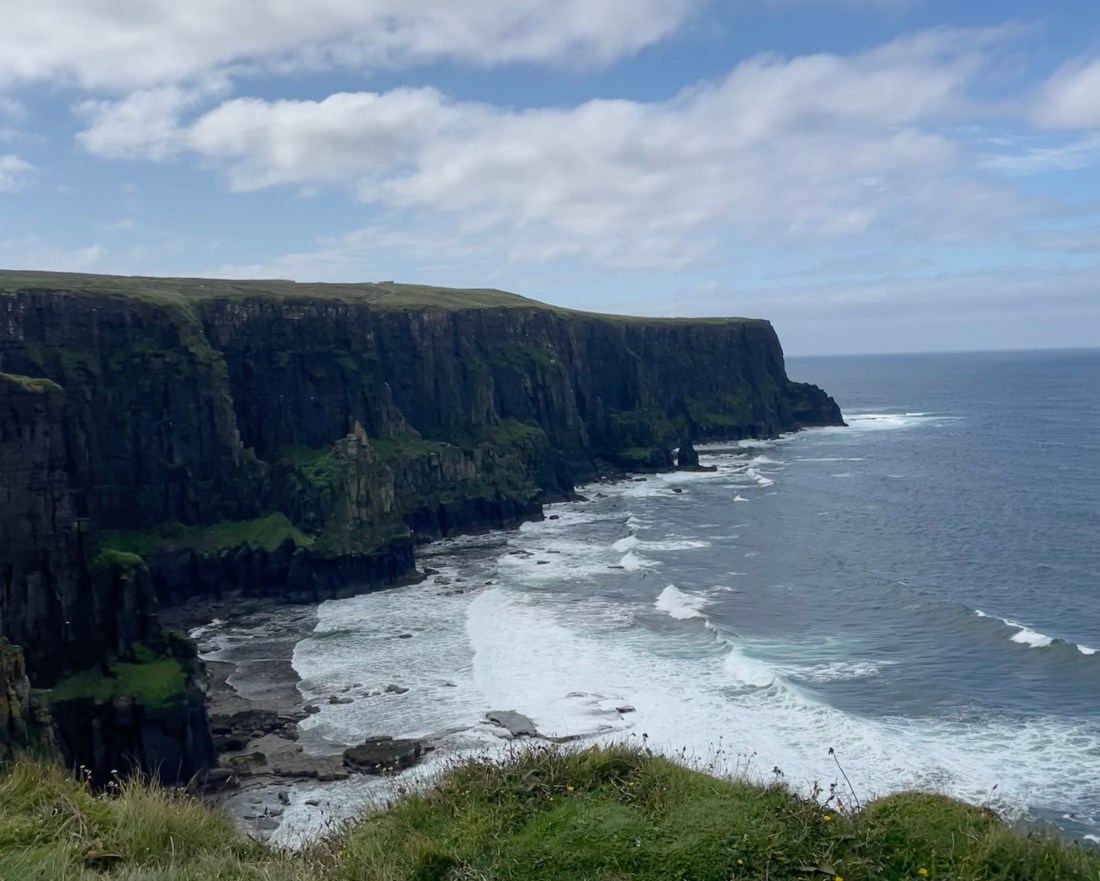
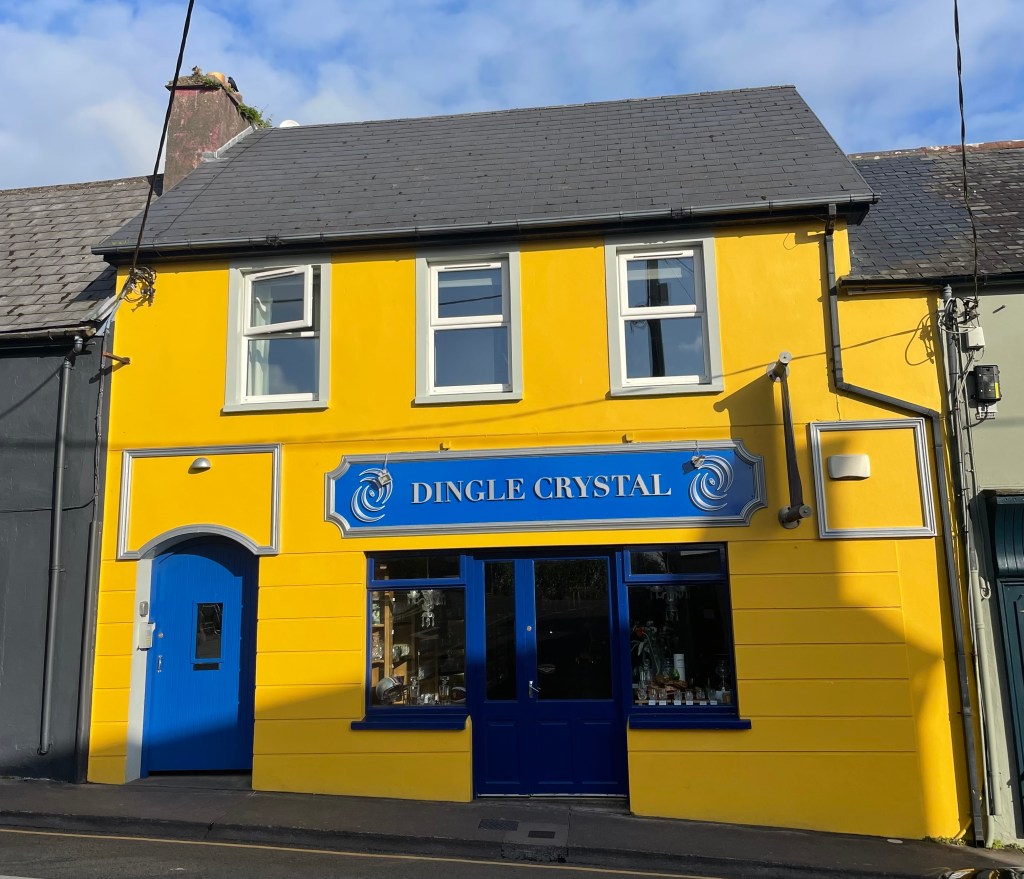
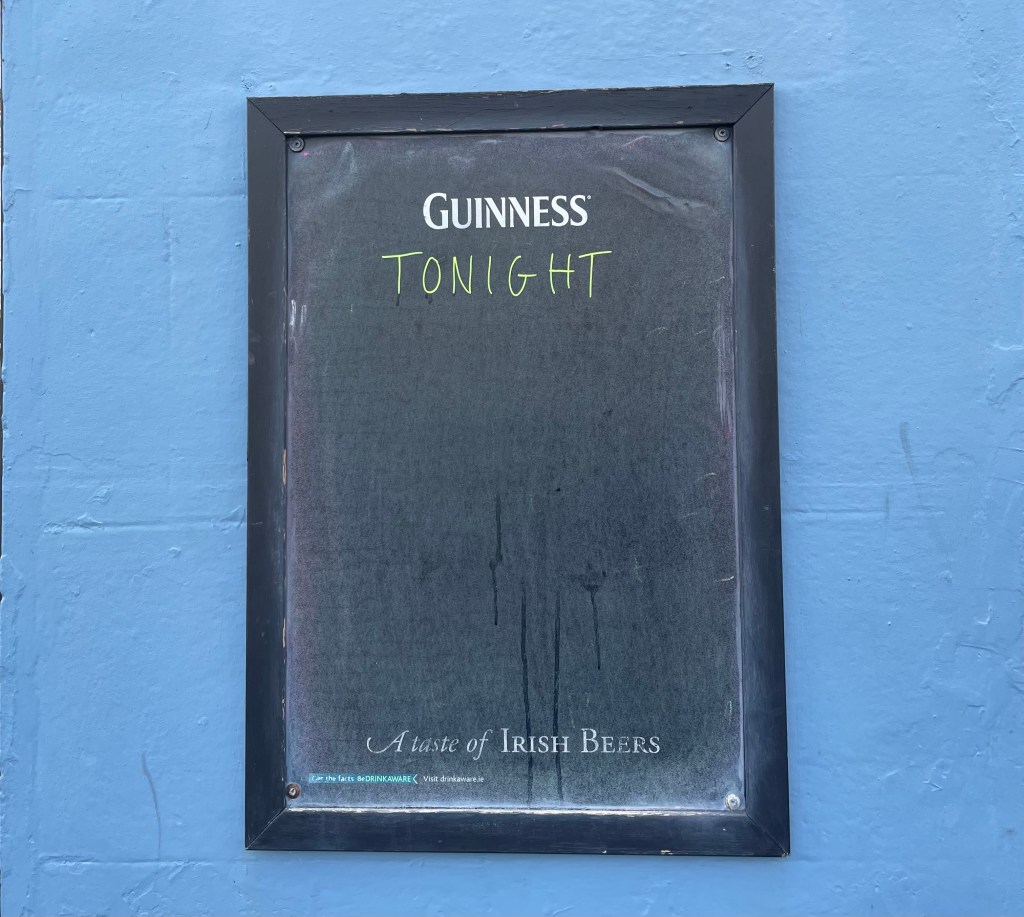
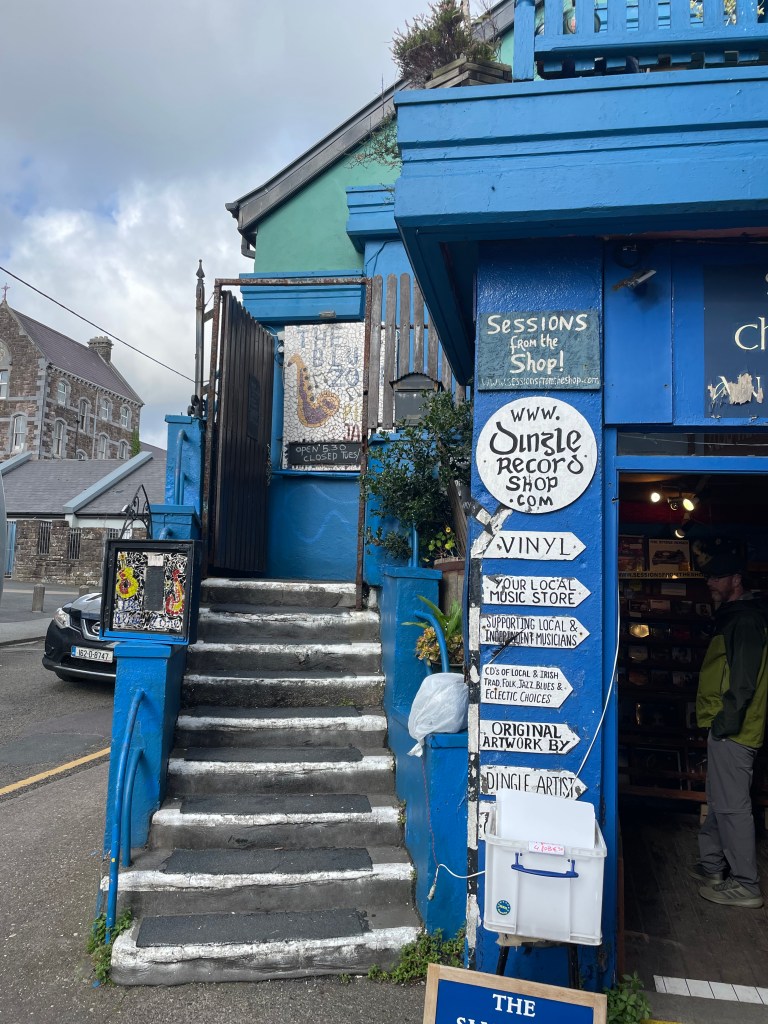
On the Dingle peninsula in Ireland’s SW region, we spent an evening in a candlelit pub. There was going to be a jam, we had heard, and so arrived early to secure a table in the small room. The musicians were tuning their instruments. A young woman with a fiddle and a man with a mustache, with the uilleann pipes in his lap. The duo began with an up-tempo jig, stomping their feet on the floor to keep time. I couldn’t help but smile as the music washed through the room.
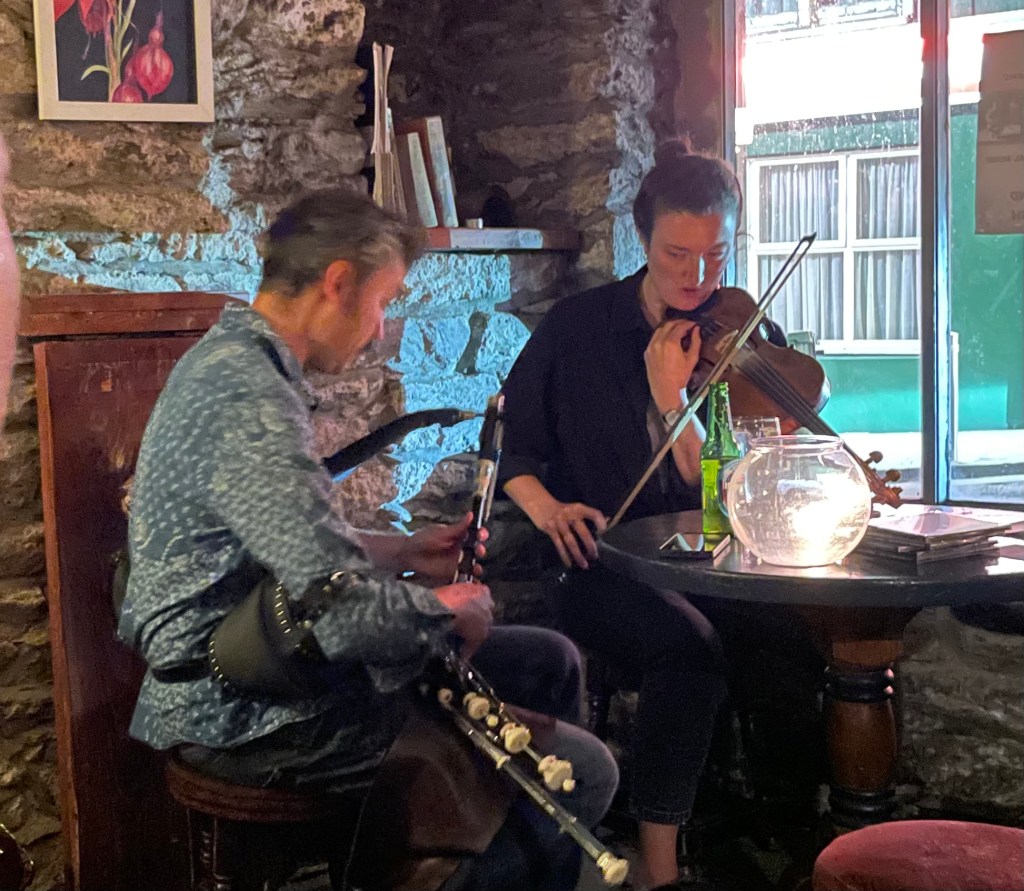
I would have been perfectly happy listening to these two perform all night, but much more was in store. More fiddle players began to show up. They all knew each other, and talked of this being the end of a great season of music around the isle (we were there in early September). An older gentleman pulled up a chair near the front, and produced an accordion. Everyone seemed to know him, and he called a tune.
More Fiddles!
We were absolutely surrounded by musicians. 5 Fiddles, accordion, uilleann pipes, tin whistle, tambourine. Our table was smack dab in the center of the room with the action on all sides. We had stumbled into a dream world of traditional Irish music, a dream come true for myself. Not only was the music sensational, a room full of masterful musicians, but the players were enjoying themselves. They were having fun.
The isometric melodies were all-inclusive, everyone playing the same rhythms, dancing in and out of supporting harmonies. The Irish traditional style of music follows an A B A pattern, and many of the songs crescendo to a grand finale. It is exciting, very danceable music that has inspired people all over the world.
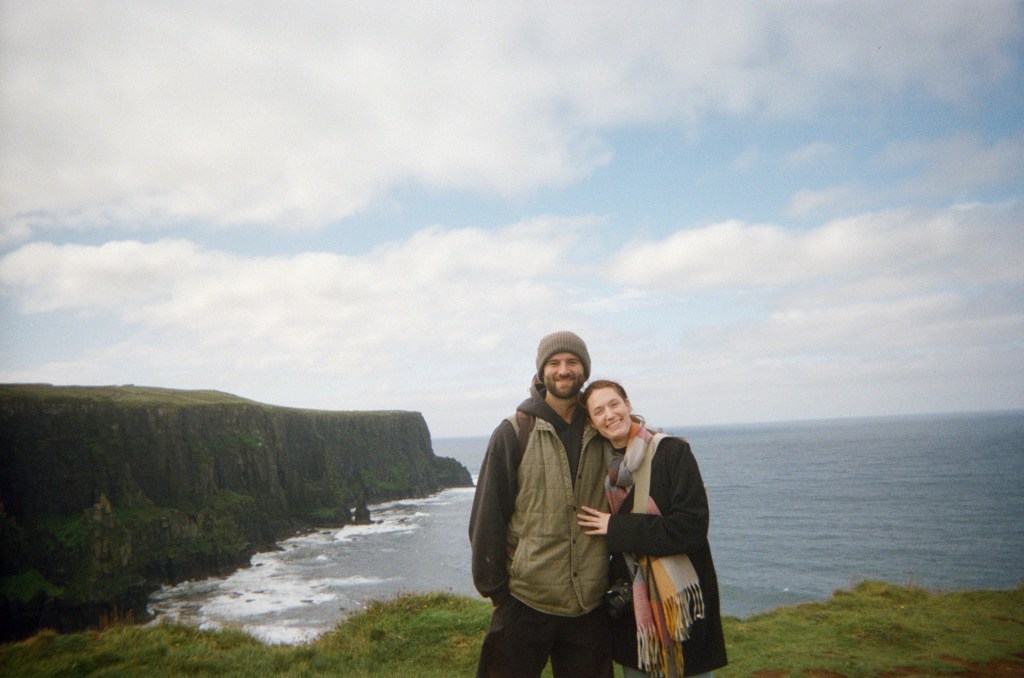
Time well spent on the Dingle Penninsula. If you ever have the urge to witness live traditional Irish music, there is no better place in the world than the west coast of Ireland.
 World and Sound